April 20, 2026
4 min read
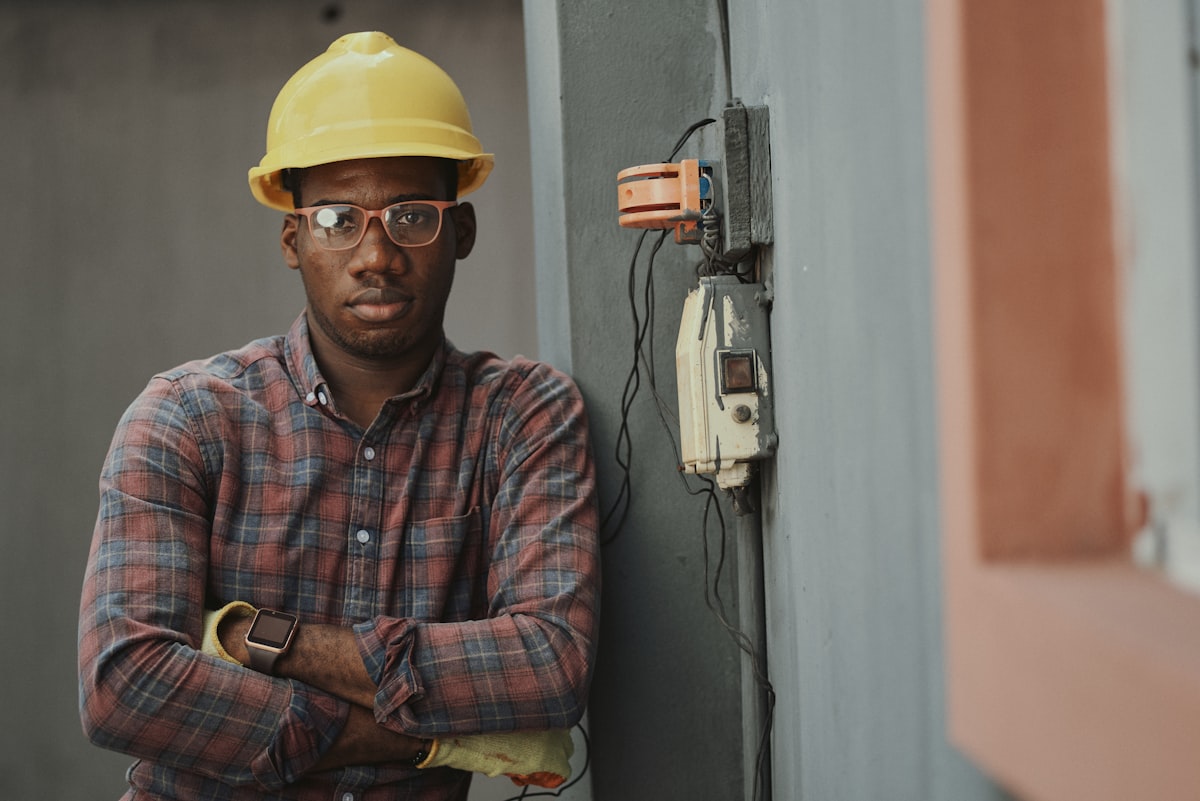
For an HVAC or plumbing business, the difference between a highly profitable day and a complete disaster usually comes down to one thing: Dispatch Efficiency.
When a customer calls with a burst pipe or a broken AC in the middle of summer, they don't care about your schedule. They need help immediately. If your dispatch system relies on phone calling technicians one-by-one to see "who is closest," you are losing lucrative emergency jobs to your competitors.
Here is how modern service businesses are killing the dispatch chaos.
Most dispatchers spend up to 40% of their day playing phone tag.
This constant interruption slows down your technicians and creates massive blind spots in your scheduling. You can't optimize routes if you don't know the real-time status of your crew.
The industry standard advice is to buy expensive "Field Service Management" software. But these platforms cost thousands of dollars to set up, charge per-user licenses, and force your experienced (and often stubborn) technicians to learn complex new apps.
The adoption rate is low, and the ROI is rarely positive for small-to-medium teams.
What if your technicians didn't have to learn a new app at all? Using Larko, you can manage your entire workforce through standard mobile interfaces — an app they already use every day for personal messaging.
Here is how real-time dispatching works when you use a mobile app:
By eliminating the "Where are you?" loop, your dispatchers can handle twice as many calls. Your technicians can focus on fixing the problem instead of filling out paperwork. Most importantly, your customers get the rapid response they expect.